Smart Globies: Trending
Articles by "Trending"

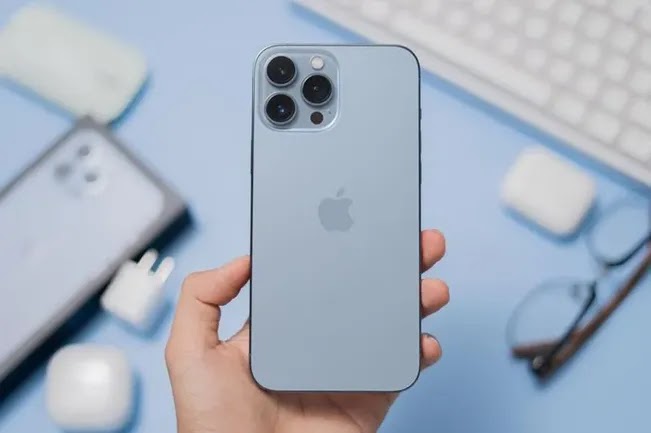
The iPhone 13 series dominates the Chinese smartphone market, but even in this market, the iPhone 13 Mini model does not attract too many users.

The latest data from Counterpoint shows that the iPhone 13 is the best-selling model in China in 2021, above the iPhone 13 Pro Max. All in all, proportionally from these figures, more than 1 in 2 iPhones sold in China last year was the iPhone 13.

iPhone 13 Pro ranks 3rd in the ranking with 21%, while iPhone 13 mini is the least attractive, accounting for only 5% of total iPhone sales.

Counterpoint explained: “ Initial sales of the iPhone 13 series in China far exceeded sales of its predecessors. With the release of the iPhone 13, Apple took the top spot in terms of sales in China and maintained the number one spot, not counting the brief period during Singles' Day. This success was also followed by positive sales of the iPhone 12 series, which contributed to an increase in Apple's overall sales .”

In addition to confirming the iPhone 13 is a very successful product, these numbers also show that Apple is on the right track when it comes to killing the iPhone mini, if the rumors are true.

The upcoming generation of iPhone 14 is said to no longer have a 5.4-inch version. In return, Apple will introduce a larger iPhone 14 with a 6.7-inch screen. The lineup will still include four different models, like the current generation, but will only include 6.1-inch and 6.7-inch devices.

The iPhone mini will almost certainly be "retired," and the smallest iPhone Apple will sell will be the iPhone SE, which is expected to be refreshed at some point this spring. Meanwhile, the iPhone 14 launch event, if nothing changes, will take place in September.
A new law was enacted by the National Assembly of Korea in September 2021, obliging app developers to use specific payment systems, in order to prevent monopolies from market operators. apps - like Apple and Google. On January 11, 2022, Apple gave regulatory consent and will allow payment systems other than those in the App Store.

Apple hasn't said the exact fee it will charge app developers for using an external payment system, but does say it will be 30% less than Apple's current regulatory fee. Exact commission rates for external payments, and execution date, will be determined after concluding discussions with South Korea's Technology regulator, the giant said.

Google also agreed to the new rule a little earlier than Apple, charging 26% for external payments. At first glance this sounds like a win for app developers on Apple and Google platforms, but there are also concerns about whether it will have any significant impact. For example, it is much easier and more convenient for a developer to use the payment systems provided by Apple or Google, than using an external payment system.

Another good example is the payment system of the market operator One Store in Korea. A fee of 5% when using external payment methods, 20% for internal payment methods of the market. However, for the sake of convenience, developers still accept the option of higher fees.

However, no matter how effective it is, successfully implementing the regulation and forcing Apple and Google to make concessions is a big step forward in the fight for developers. It is also considered that the first domino to be pushed will create a chain reaction in other countries to achieve the same goal as in Korea.

Mhzta_Okenz

Contact Form

Name

Email *

Message *

Powered by Blogger.
Javascript DisablePlease Enable Javascript To See All Widget